Sonata for Flute and Piano Op.23 (1987) c. 13'30"
I. Lento
II. Presto
Commissioned by the Spoleto Festival
Dedicated to Paula Robison
First performed on May 20th, 1988 at The Spoleto Festival in Charleston, South Carolina by Paula Robison, flute and Jean-Yves Thibaudet, piano
Best Newly Published Flute Work, National Flute Association, 1989.
ABOUT
The Sonata for Flute and Piano Op.23 was written in 1987 for flautist Paula Robison and pianist Jean-Yves Thibaudet as the result of a commission from the Spoleto Festival Chamber Music Series. It was given its first performance at the 1988 Spoleto Festival by Robison and Thibaudet. The following year it was chosen by the National Flute Association as one of the Best Newly Published Flute Works. It has since become one of the most frequently performed American works in the flute repetoire and has been recorded over thirty times to date on CD.
The Sonata is in two movements. The first movement, Lento, is a tightly organized hybrid form that combines elements of sonata and arc forms. The tonal structure of this movement, which is derived from the implied augmented triad of the piano's opening ostinato figure, is summarized by the flute at the central point of the movement. There are three main themes which undergo various transformations during their continuing dialogue. Just before the final recapitulation of the opening material, there is a brief allusion to Wotan's Abschied and the Magic Fire Music from Die Walküre, a musical “pun” which references the melodic outline of the movement’s opening material. On a more personal note it is a musical remembrance of the composer’s time spent in Bayreuth as a guest of Richard Wagner's grand-daughter Friedelind.
The second movement is a tarentella-like moto perpetuo in rondo form which utilizes material from the first movement. The sinuous second subject heard in the flute summarizes the movement's tonal structure. Marked Presto energico, this movement demands the utmost in virtuosity from both pianist and flautist.
RECORDINGS


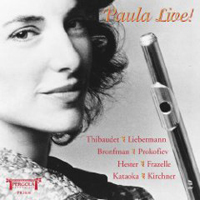
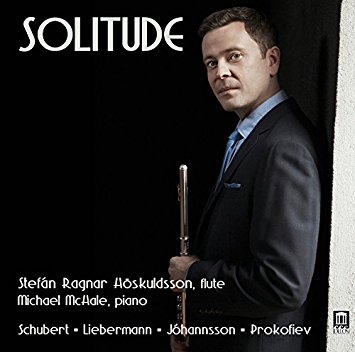
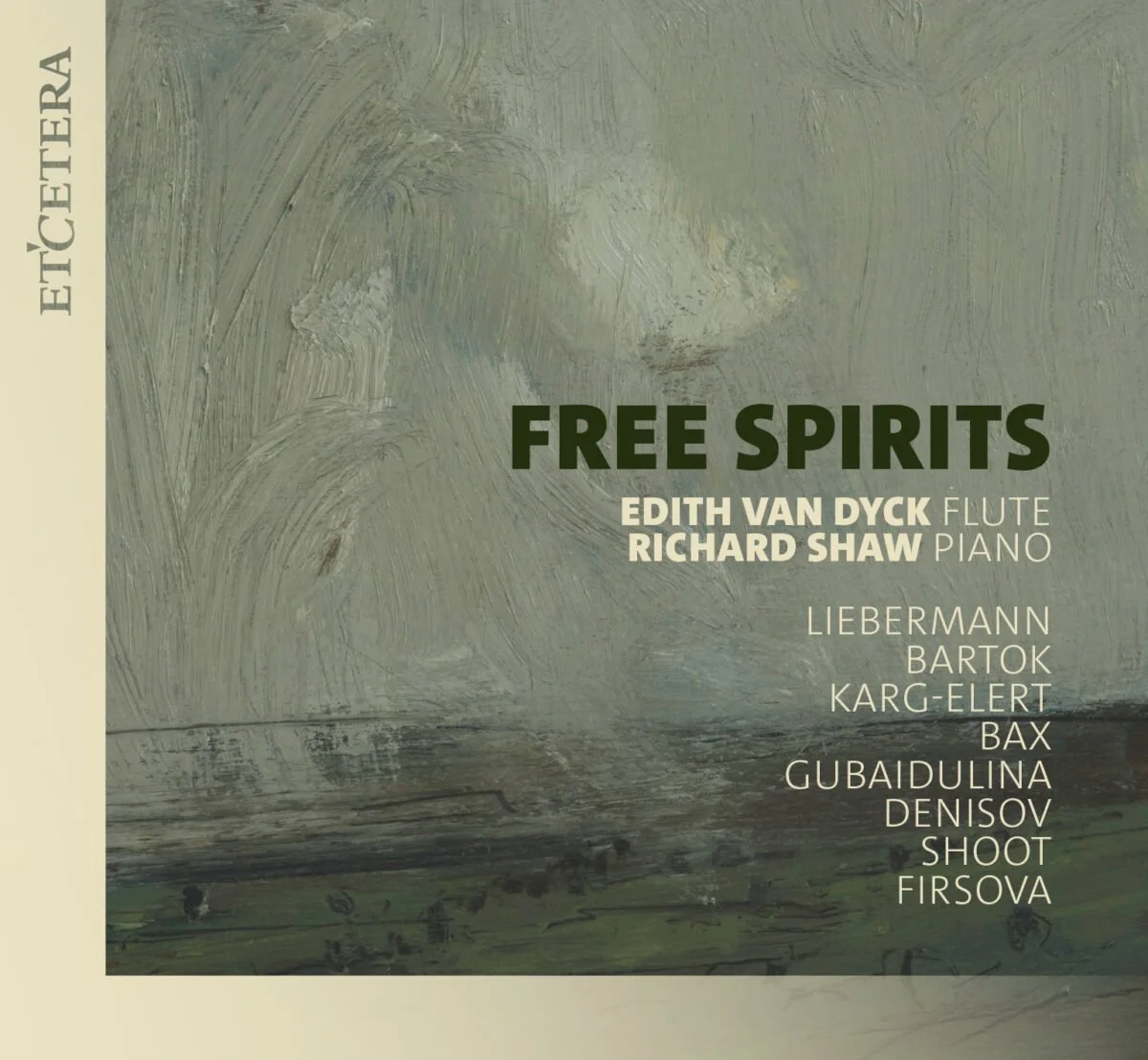


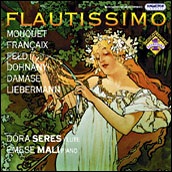

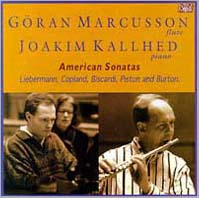


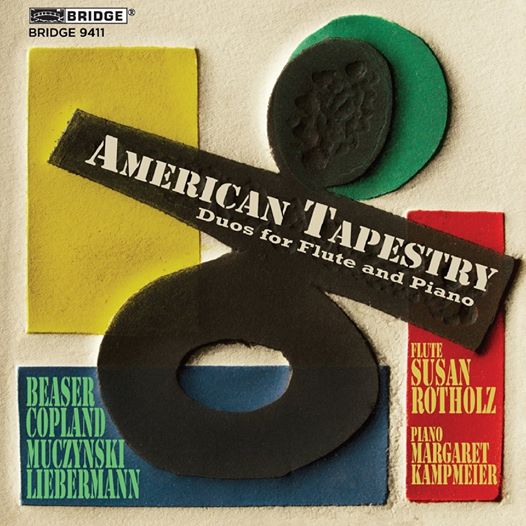
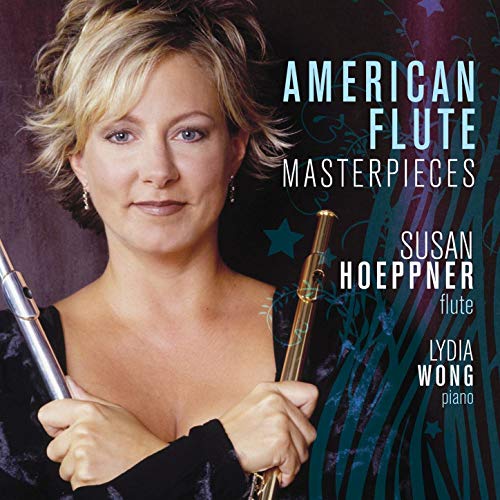
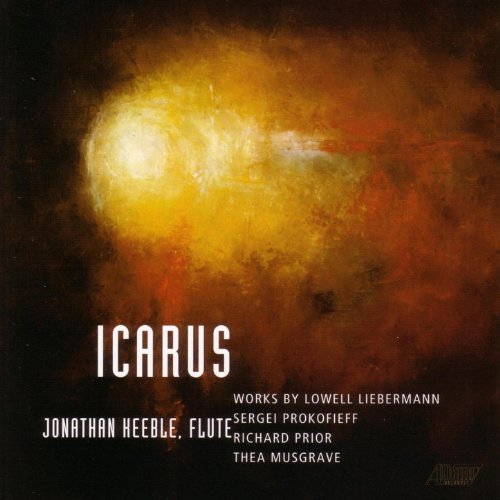



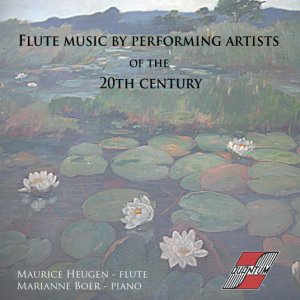
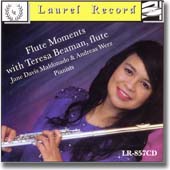
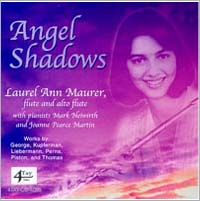
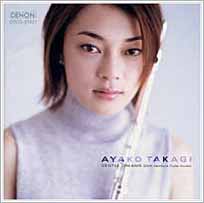



REVIEWS
“It’s a no-doubt masterpiece, its moods by turns mysterious and vivacious.”
MusicWeb International
“Lowell Liebermann’s recent (1988) Sonata is already becoming part of the standard flute repertory. It demands formidable virtuosity but repays both player and listener with its first movement’s ingenious unification of variety and the expressive urgency as well as headlong energy of its finale.”
Gramophone
“But the concert reached its climax with the performance of Lowell Liebermann’s Sonata for Flute and Piano Op.23, a composition with enourmous changes in dynamics, a perpetuum mobile of a most fervent charachter. The extraordinary musical event met with great approval of the audience.”
Ostschwyzer Tagblatt
“…a brilliant work in two parts. The work is modern, colorful, and intense…quickly becoming a staple of the flute literature. That status is certainly deserved, as it is simply a marvelous work…”
MusicWeb UK
“…the Sonata by Lowell Liebermann…is brilliant, exciting, and technically challenging. Offering both musical substance and virtuoso acrobatics, Liebermann’s Sonata has already attracted a following among performers…”
Fanfare
“Lowell Liebermann is one of America’s hottest compositional talents and a formidable pianist as well. He makes mega-demands on his instrumental interpreters. This was made manifest by his recently composed Flute and Piano Sonata…The two-movement masterwork ran the gamut from intimacy to raw passion, from simple notes to Faustian demands.”
The Salt Lake Tribune
“…a transparent, ingratiating, mordantly melodic piece…that sported a keen sense of acoustic color. When flute and piano busied themselves covertly adding overtones to each other’s timbres, it took on something of the aspect of black magic.”
The Boston Globe
“…a breathtaking new Flute Sonata by Lowell Liebermann.”
Classical Pulse!
”Mr. Liebermann has his own technique and doesn’t sound like he’s a slave to any style, cult or theory. His music has color, warmth, beauty and strength and it manages to sound lovely without being vapid. It’s worth hearing, and it’s worth thinking about…This is a composer to be watched.”
The News and Courier, Charleston, SC
“The standing-room only audience gave it and the composer, who was present for the premiere, a tremendous ovation…The two-movement work is a tour de force for both pianist and flutist…The audience exploded with applause at the conclusion.”
The News and Courier, Charleston, SC
“…a work of amazing beauty that created a mini-sensation with the audience.”
The Post-Standard, Syracuse, NY
“This is an intelligent and beautiful work…”
The New York Sun
“…it has established itself as a favorite in the repertoire because it’s not just fun for the flutist to play but also the listeners to hear. Variety and imagination in abundance, tonal but challenging, rhythmic…it’s but one example of what good modern music can be all about.”
ionarts